
Aug 4, 2026

Building a family through surrogacy is a meaningful and often complex journey. In Florida, the legal framework surrounding assisted reproductive technology is well-defined, but navigating it correctly is essential to protecting your family from the very beginning.
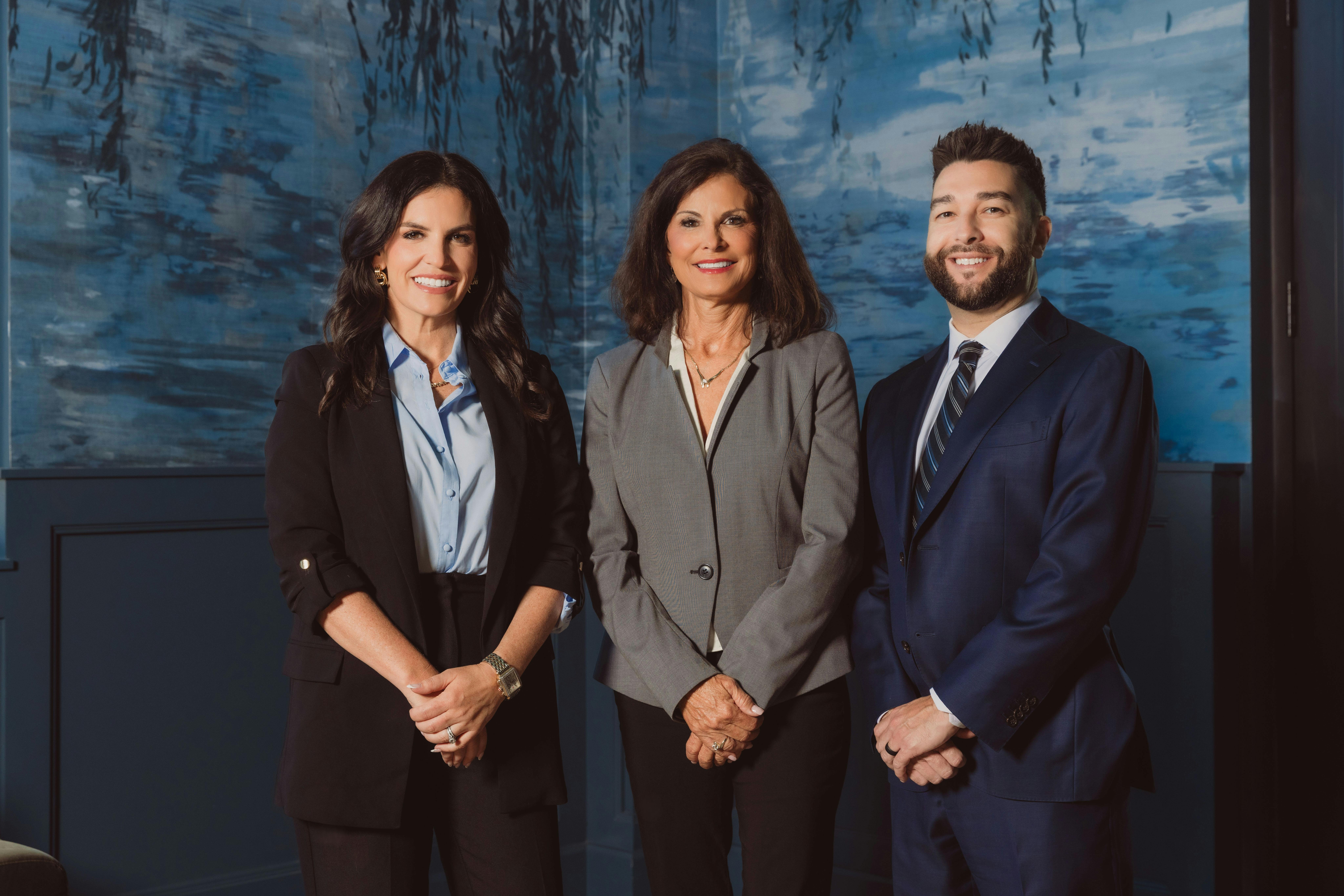
At Tate Healey Webster, our assisted reproductive law practice is led by attorneys Jeanne T. Tate, Erica T. Healey, and Molly E.P. McCarthy. Our team works with intended parents, surrogates, and professionals across Florida, including Tampa, Orlando, Jacksonville, Boca Raton, and Naples.
The Two Legal Paths in Florida
Florida recognizes two primary legal structures for surrogacy arrangements, and choosing the right one depends on your family’s specific circumstances.
A Gestational Surrogacy Agreement is available to married couples. Florida law requires that at least one intended parent be genetically related to the child. This pathway allows for a streamlined legal process to establish parental rights.
A Pre-Planned Adoption Agreement provides an alternative for unmarried couples, single parents, and members of the LGBTQ community who are not married. This option is governed by a different statute and must meet very specific legal requirements to ensure enforceability.
Understanding which legal path applies is one of the most important decisions you will make early in the process.
What These Agreements Actually Do
Gestational Surrogacy Agreements are detailed legal documents that protect everyone involved. They outline expectations and reduce the risk of misunderstandings during what is often an emotional and life-changing experience.
These agreements typically address:
- Medical decision-making during pregnancy
- Financial responsibilities and expense coverage
- Communication between intended parents and the surrogate
- Legal parentage and custody rights
- Risk management and contingency planning
A carefully drafted agreement provides clarity and stability from the outset.
Establishing Parental Rights in Florida
Florida law allows intended parents to establish legal parentage through a court order, often handled on an expedited and non-adversarial basis. This ensures that the intended parents’ names are placed on the child’s birth certificate.
Handled properly, this process is smooth and predictable. It is designed to support families, not create unnecessary barriers.
Why Experience Matters in ART Law
Surrogacy law is highly specific to Florida statutes and continues to evolve alongside medical advancements. In addition, the Florida Legislature has rolled out some changes to the law which will take effect in the coming months. Small missteps can create significant delays or complications.
Tate Healey Webster is the largest law firm in Florida focused exclusively on adoption and assisted reproductive law. With offices in Tampa, Orlando, Naples, and meeting locations in Jacksonville, Merritt Island, and Boca Raton, our team supports families throughout the state.
If you are exploring surrogacy in Florida, we are here to help. Please book a time to speak with our team using the booking link on our website or by emailing [email protected].